Why a Desert Buggy Adventure in Dubai's Lahbab Red Dunes Belongs on Your Bucket List
The Real Desert Experience
There is a stretch of sand about 45 minutes southeast of Dubai that locals call the red dunes. The Lahbab red dunes are not like the pale, flat sand you see near the city. They rise sharply, sometimes 50 meters high, and the color shifts from burnt orange to deep crimson as the sun moves. Driving into that landscape in an off-road vehicle changes how you see the desert. A desert buggy adventure there is not a theme park ride. It is raw, physical, and honest.
I have spent years guiding people through this terrain, and I still catch myself grinning when the dunes open up after a long straight stretch. The silence between the engine revs, the way the sand sprays behind you, the sudden drop of a dune face, it all adds up to something you cannot get from a standard desert safari bus tour. You are in control of the machine, and that makes every ridge and bowl feel personal.
Self-Drive vs. Being Driven
Most first-timers ask whether they should drive themselves or ride with a guide. The honest answer depends on what you want from the day. If you want to sit back and watch the scenery while someone else handles the wheel, a guided dune bashing session in a 4x4 is comfortable and thrilling. But if you want to feel the steering wheel fight against the sand, if you want to choose your own line down a dune, then self-drive is the way to go.
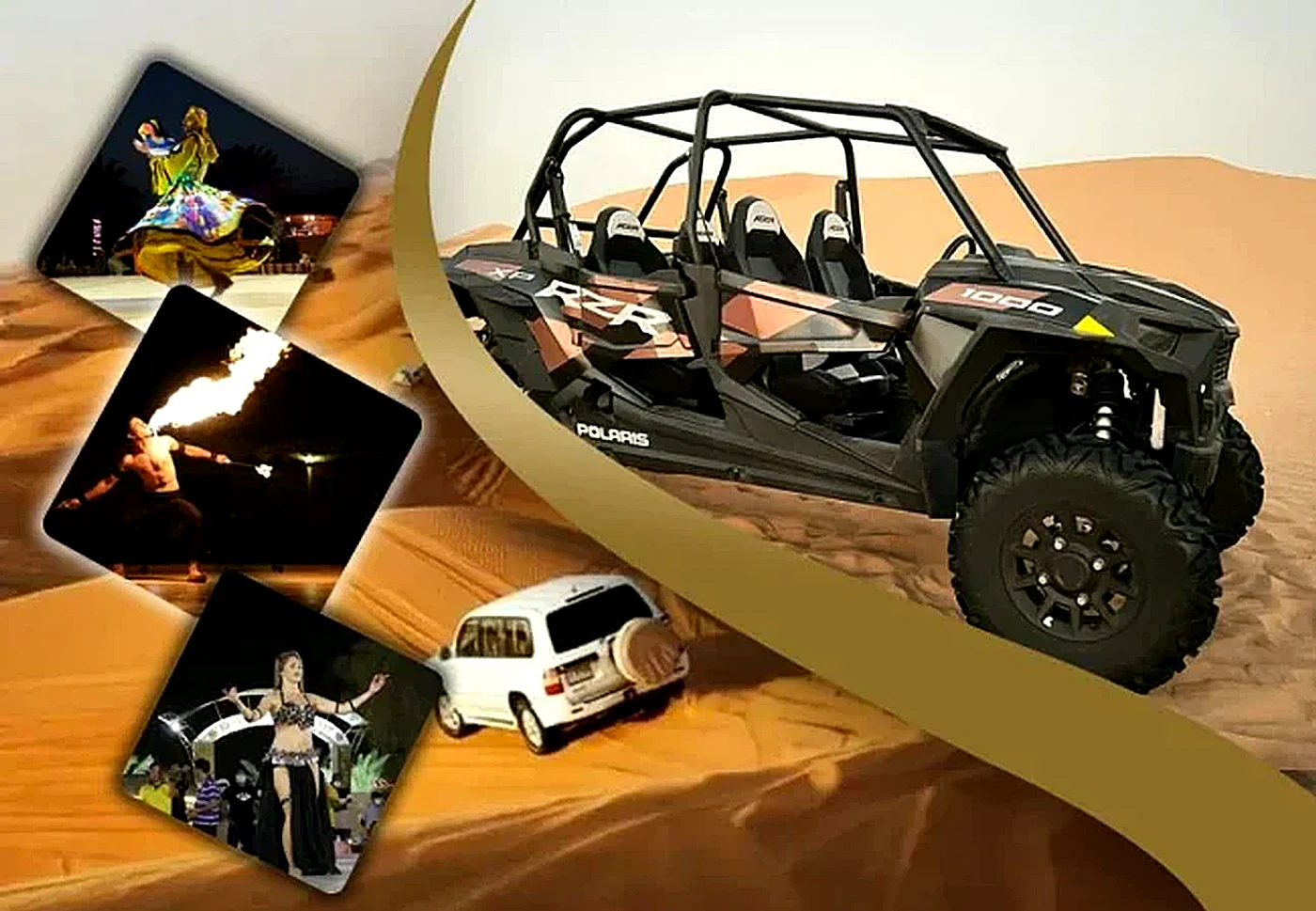
With self-drive dune buggy tours, you get a machine that is built for this ground. The Racer Buggy, for example, is a common choice. It has a low center of gravity, wide tires, and a harness that keeps you planted even when the buggy tilts at an angle that looks impossible. You do not need a special license. You just need basic driving skills and a willingness to listen to the safety briefing. The guide leads the group, sets the pace, and radios if anyone falls behind or takes a wrong line. You are free, but not alone.
What to Expect on the Sand
A typical morning starts with a short briefing about the vehicle controls, the hand signals the guide will use, and the basic rules of dune driving. Then you put on a helmet and goggles, the sand is fine here, and it gets everywhere. The first few minutes are tentative. You learn how the buggy behaves on loose sand, how much throttle you need to climb, and how to steer with the rear wheels sliding.
After the warm-up, the group heads into the bigger dunes. The guide picks a route that varies in difficulty so beginners can build confidence and experienced drivers can push a little harder. There are flat sections where you can open the throttle, steep climbs that require a steady hand, and descents where you feel your stomach lift. The whole session lasts around an hour to an hour and a half, depending on the package. By the end, your arms will feel the work of turning the wheel in soft sand, and your face will be streaked with dust. That is part of the deal.
Beyond the Buggy: Mixing Activities
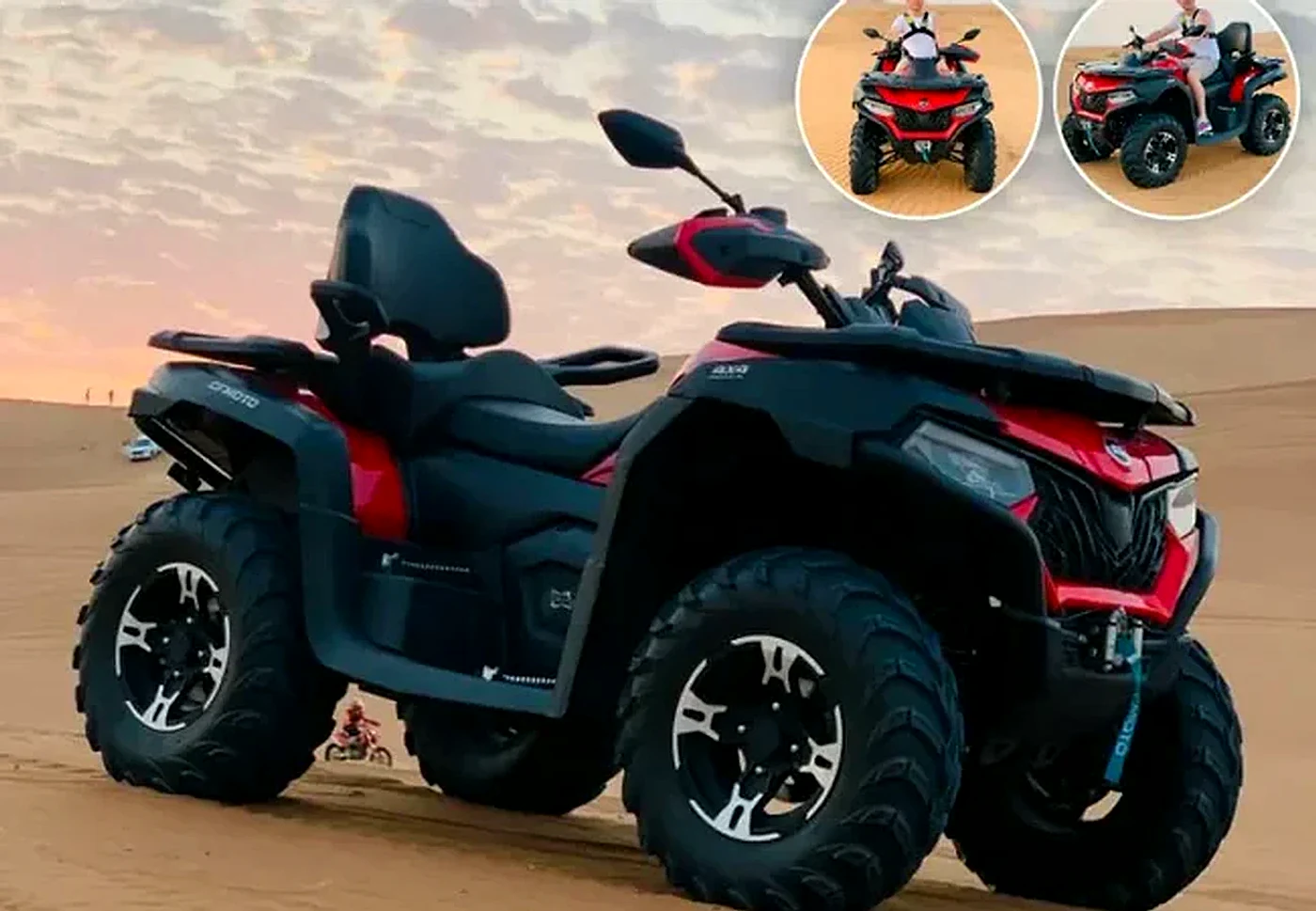
Many visitors combine a desert buggy adventure with other activities to make the most of the day. Quad biking is a popular add-on. An ATV handles differently from a buggy, it is more agile on flat sand but less stable on steep dunes. If you have never ridden an ATV before, it is worth trying both to feel the difference.
Sandboarding is another option. After a few runs on the buggy, you can grab a board and slide down a smooth dune face. It looks easier than it is. The sand offers more resistance than snow, and you need to keep your weight centered. Still, it is a fun way to break up the driving and gives your legs something to do.
Some tour operators also offer safari experiences that include a stop at a Bedouin camp. This is where the day slows down. You park the buggies, sit on cushions in the shade, and drink tea while the sun sets over the dunes. The light turns everything gold and then purple. If you have a camera, this is the moment to use it. The camp often includes a simple dinner, sometimes with live bread baking and shisha. It is a quiet end to a loud morning.
The Practical Side
If you are considering booking dune buggy rentals in Dubai, there are a few things to know beforehand. First, the best time to go is between October and April. Summer months are too hot for comfort, and the sand gets scorching. Morning sessions are cooler and the light is better for photos. Evening sessions let you catch the sunset, but the temperatures are still warm until late.
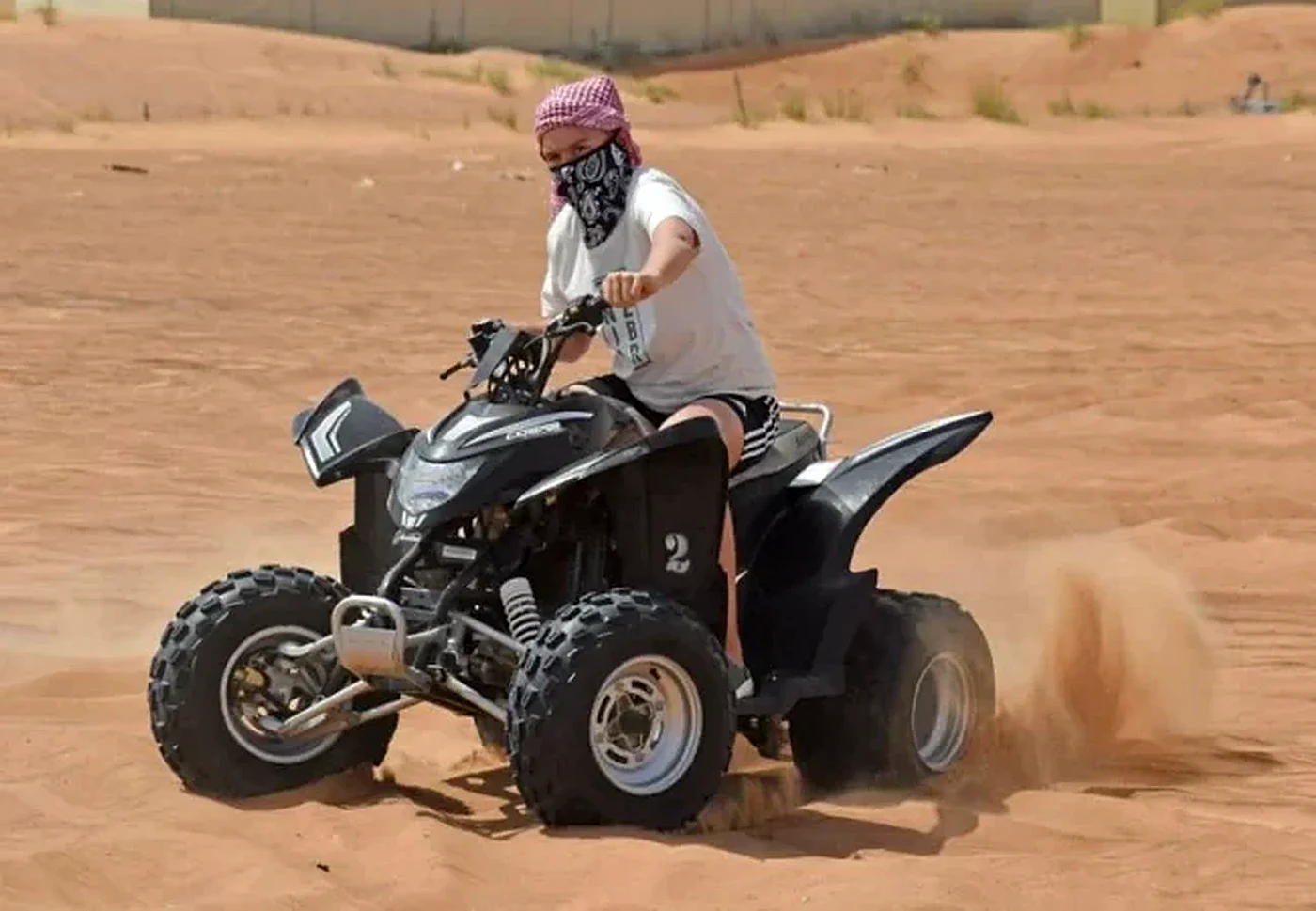
Second, dress appropriately. Long sleeves and pants protect your skin from the sun and from the sand itself. Closed shoes are essential. The buggies kick up a lot of dust, so a scarf or buff around your neck helps. Most rental companies provide helmets and goggles, but if you have your own goggles, bring them, the ones supplied are often basic.
Third, understand the insurance and liability. Reputable operators like Buggy Rental Dubai carry insurance for the vehicles and have certified guides. You will sign a waiver acknowledging the risks. That is standard. The terrain is unpredictable, and even experienced drivers can tip a buggy if they take a dune at the wrong angle. Listen to the guide and do not show off. The desert humbles everyone eventually.
The Environment and Respect for the Dunes
The Arabian desert is not a blank playground. It is a living ecosystem with fragile plant crusts, insect life, and occasional wildlife like the Arabian oryx. The Dubai Desert Conservation Reserve is one area where off-road vehicles are restricted to protect the habitat. Most commercial desert buggy adventure operators stay outside the reserve or use designated corridors. It is worth asking your provider about their environmental practices. The good ones follow established trails and avoid driving over vegetation.
Lahbab itself is a popular area, and the dunes there see a lot of traffic. That does not mean they are damaged. Sand moves and reshapes constantly. But it does mean that responsible driving matters. Staying in the tracks left by previous vehicles minimizes the visual impact and reduces noise spread. It also keeps the experience better for everyone who comes after.
Who Should Try It
A desert buggy adventure suits a broad range of people. Couples looking for a shared thrill, groups of friends wanting something more active than a city tour, solo travelers who enjoy mechanical things, all of them find something here. Families with older children also join. Most buggies seat two, so a parent can drive with a child in the passenger seat. The minimum age for passengers is usually around five or six, depending on the operator. Drivers need to be at least 18 and hold a valid license.
If you are not a confident driver, you can still participate. The buggies are intuitive. The hardest part is trusting that the vehicle will hold on a steep dune. It will. The design and the low tire pressure give it grip that a regular car cannot match. After the first few turns, most people relax and start enjoying the rhythm of the dunes.
One More Thing
If you have only seen the desert from a highway or a hotel balcony, you have not really seen it. The scale, the silence, the way the light changes across the sand, those things only register when you are out in it, not looking through glass. A desert safari that includes a buggy drive is one of the best ways to get that immersion without spending days on foot. You cover ground, you feel the terrain, and you come back with sand in places you did not know existed. That is the sign of a good day out.
For anyone planning a trip to Dubai, I recommend putting a desert buggy adventure on the itinerary early in the stay. That way, if you love it, you can book a second session before you leave. And if the desert teaches you anything, it is that one ride is never enough.